
Guides

From the first gesture to putting things away. Six guides to keep beside your practice.

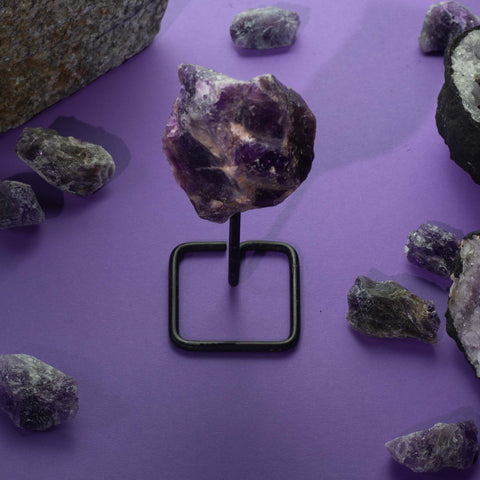
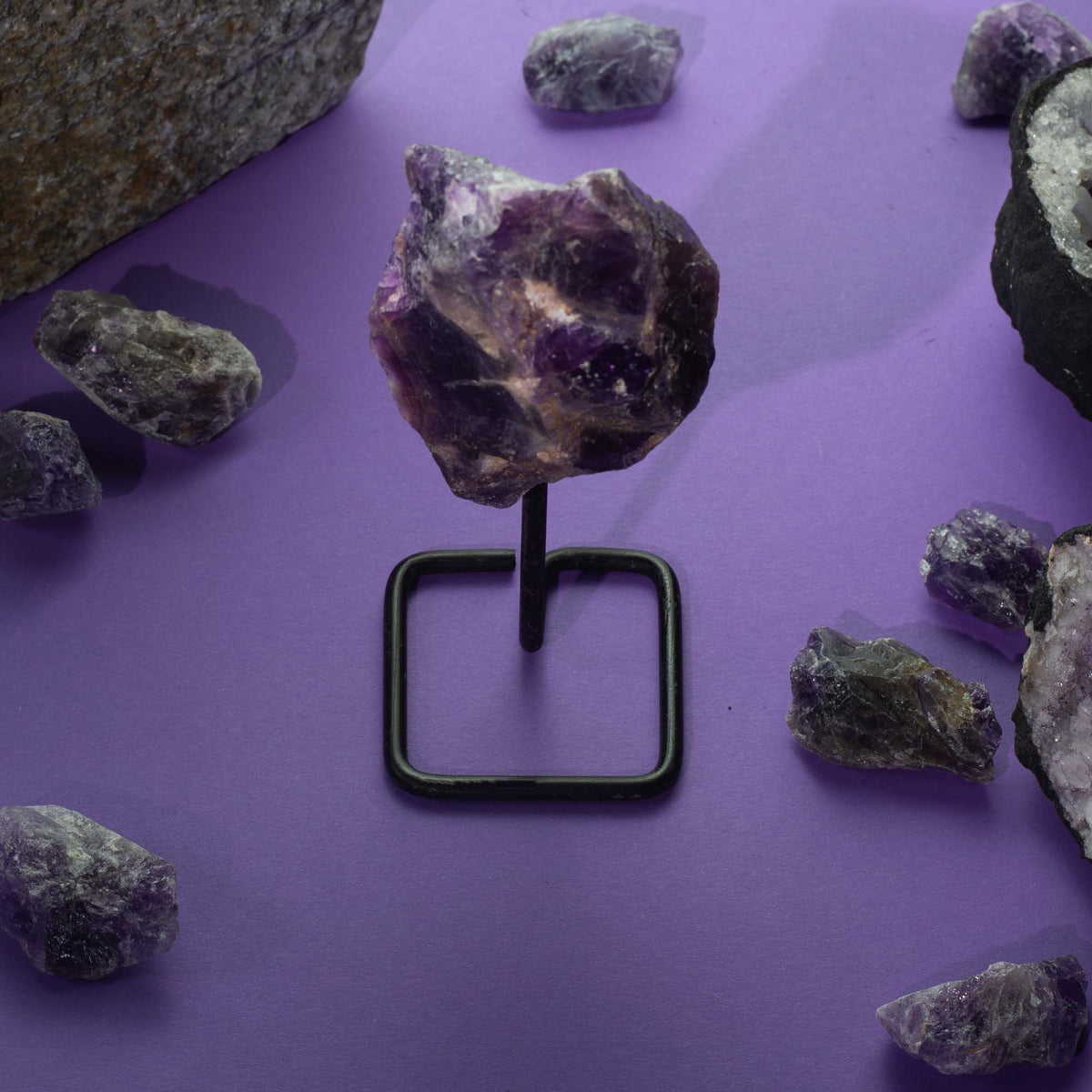
Stones and crystals

Choose a gesture, check the material, clean with care.
The first gesture

  1. Read the material name on the product page or label. Colour and shape alone cannot identify a stone.
  2. Rest it on a stable surface. To begin your practice, set it in front of you and choose an intention: there is no need to wet it.
  3. For physical cleaning, select the material below. For mixed-material objects, check settings and finishes too.

After your practice

  1. Until you know the material and treatment, limit cleaning to a soft, dry cloth without pressure.
  2. Store stones separately, protected from knocks. Ask for specific advice before treating marks or deposits.

Things to avoid

  1. Salt-water baths, cleaners and heat are not universal methods. A symbolic cleansing gesture does not make a stone suitable for water.

Start with the material and the individual product’s instructions. Coatings, treatments, settings and cords can change the care it needs. Sources consulted on 31 October 2026. Advice applies to the materials named: always check your tool’s label and instructions too.

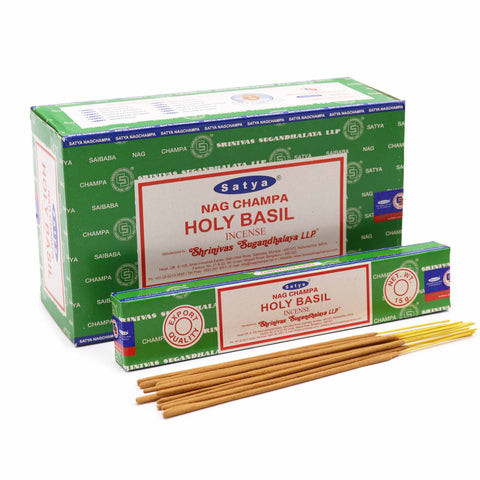
Sticks and cones

A suitable holder, an ember without a flame, care for the burner.

The first gesture

  1. Choose a stable, heat-resistant holder suited to the format, with room to catch all falling ash.
  2. Light the tip, then gently blow out the flame, leaving an ember. Follow the pack’s instructions.
  3. A cascading effect needs backflow cones and a compatible burner. Ordinary cones are not a substitute.

After your practice

  1. Wait until everything is fully out and cold before emptying the ash. Clean the holder according to its material and instructions.
  2. Store incense away from humidity, heat and direct sunlight. Do not use sticks showing mould.

Things to avoid

  1. Keep the ember attended and away from fabrics, children and pets. Ventilate the room; stop the practice if the smoke is uncomfortable.

Start with the material and the individual product’s instructions. Coatings, treatments, settings and cords can change the care it needs. Sources consulted on 31 October 2026. Advice applies to the materials named: always check your tool’s label and instructions too.
Resins and charcoal

Choose the place first. Then a resin burner and a small amount.

The first gesture

  1. Burning charcoal releases carbon monoxide: use it outdoors only, away from doors, windows and air intakes. An open window does not make indoor use safe.
  2. Prepare a burner explicitly suitable for resin and charcoal on a stable, heat-resistant surface. Light the charcoal only as its manufacturer directs, using the prescribed accessories.
  3. Once the charcoal is ready in its burner, add a small amount of resin as its label directs. Stay present throughout burning.

After your practice

  1. Follow the charcoal’s instructions for ending use. Embers can remain under ash: do not touch, move or dispose of anything until it is fully out and completely cold.
  2. Remove residue only when cold and clean the burner as its material requires. Keep resins and charcoal dry in their packaging.

Things to avoid

  1. Never burn charcoal in homes, garages, tents or other enclosed spaces. Do not improvise a vessel: a stick holder may not withstand this heat.

Start with the material and the individual product’s instructions. Coatings, treatments, settings and cords can change the care it needs. Sources consulted on 31 October 2026. Advice applies to the materials named: always check your tool’s label and instructions too.

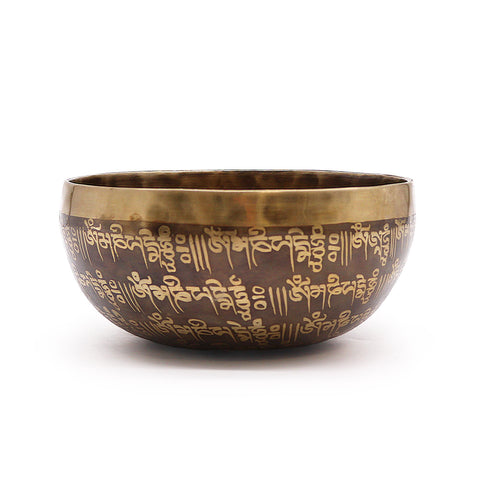
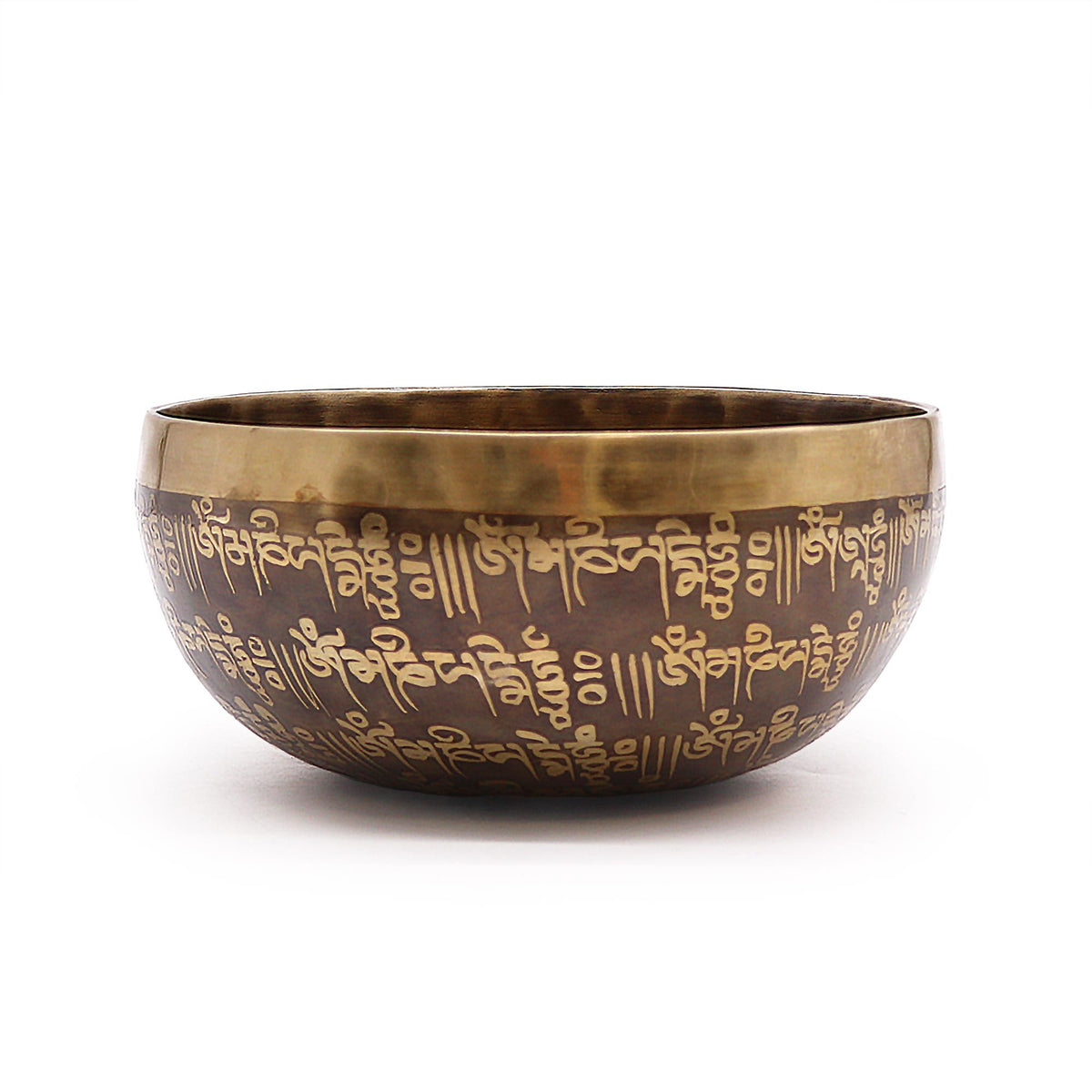
Metal singing bowls

A gentle first sound, a steady support, a rim to protect.

The first gesture

  1. This guide covers metal bowls. For quartz or glass bowls, use the manufacturer’s specific instructions.
  2. Rest the bowl on a suitable cushion or ring. Use the mallet intended for that model, starting with a gentle strike on the outside.
  3. Let the sound finish. Try rubbing the rim only if the model and mallet allow it, using a slow, even movement.

After your practice

  1. Remove dust with a soft, dry cloth. Before deeper cleaning, check the alloy, decoration and finish before choosing a product.
  2. Store it on a stable support with the mallet separate, keeping the rim from knocking other objects.

Things to avoid

  1. Avoid abrasives, general metal polishes and acidic recipes unless the manufacturer approves them. Begin without hard strikes or playing close to ears.

Start with the material and the individual product’s instructions. Coatings, treatments, settings and cords can change the care it needs. Sources consulted on 31 October 2026. Advice applies to the materials named: always check your tool’s label and instructions too.
Malas and prayer beads

One bead at a time. Care for the beads, cord and tassel.

The first gesture

  1. Sit comfortably and choose a word or mantra. Let each repetition accompany one bead, without rushing.
  2. Support the mala and move the beads with your thumb without pulling the cord. This is a starting point; follow your own tradition if you practise one.
  3. You need not finish a whole round to make a little time. When you stop, put the mala down gently.

After your practice

  1. Check the cord and knots. If frayed or loose, stop using it until repaired; store the mala without tension in a pouch.
  2. Start with a soft, dry cloth. A mala combines beads, cord, possible metal parts and a tassel: washing needs to suit every component.

Things to avoid

  1. Avoid showers, pools, soaking and pulling. Do not apply wood-care oils to every mala: stones, dyes and cords may need different care.

Start with the material and the individual product’s instructions. Coatings, treatments, settings and cords can change the care it needs. Sources consulted on 31 October 2026. Advice applies to the materials named: always check your tool’s label and instructions too.

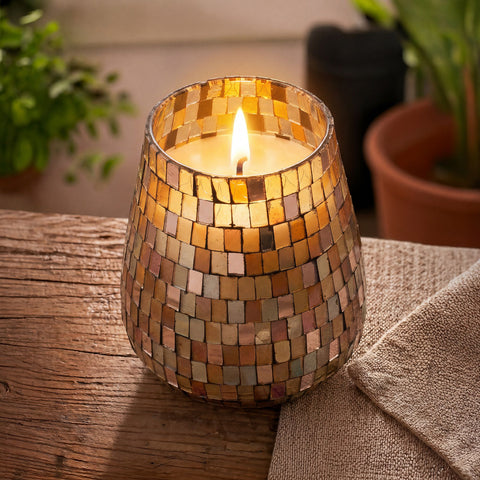
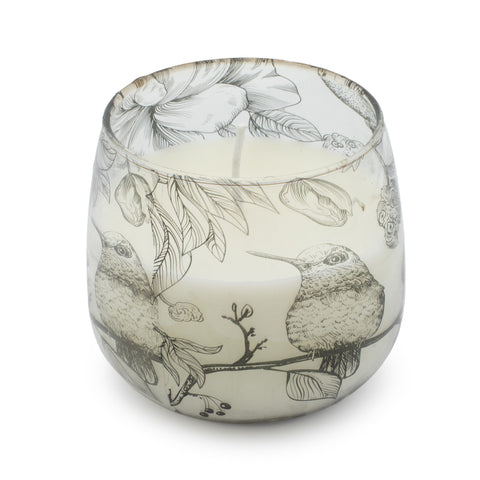
Candles and holders

Prepare the flame, stay with it, let it cool before putting it away.

The first gesture

  1. Read the label for wick care, maximum burn time and when to stop using it. Choose a stable, heat-resistant holder of the right size.
  2. Keep the flame away from draughts, fabrics, paper, children and pets. Leave at least 30 cm from anything that can burn.
  3. Stay in the room while it burns. Put it out before leaving or sleeping; check that the wick is fully extinguished.

After your practice

  1. Use a snuffer or a gentle breath. Let all wax set and cool before touching or moving the candle.
  2. When cold, remove debris from the wax surface. Follow the holder’s instructions for wax residue: glass, metal and ceramic need different care.

Things to avoid

  1. Do not pour water onto hot wax, add herbs or oils to the flame, or burn past the limit stated on the label.

Start with the material and the individual product’s instructions. Coatings, treatments, settings and cords can change the care it needs. Sources consulted on 31 October 2026. Advice applies to the materials named: always check your tool’s label and instructions too.